Wet Collectors
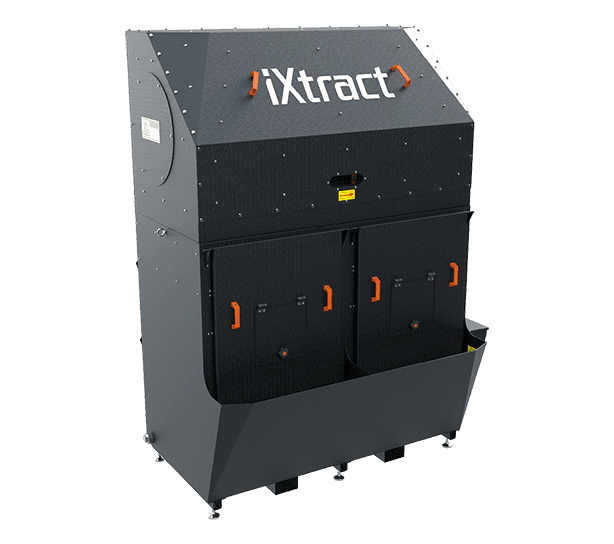
iXtract wet collectors capture combustible metal dust at source.
Choose a mild steel, stainless steel or GRP (fibreglass) body, with or without an integrated F-series centrifugal fan. Every unit is designed, built and tested in Britain, and the range covers airflows from 1,900 to 8,500 m³/h.

Explore the Range
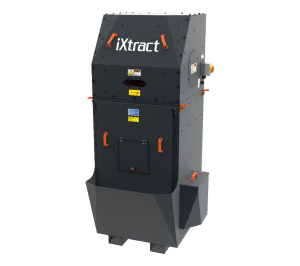
GRP (Fibreglass) Wet Collectors
Complete unit with or without integrated fan.
3 variations
View Product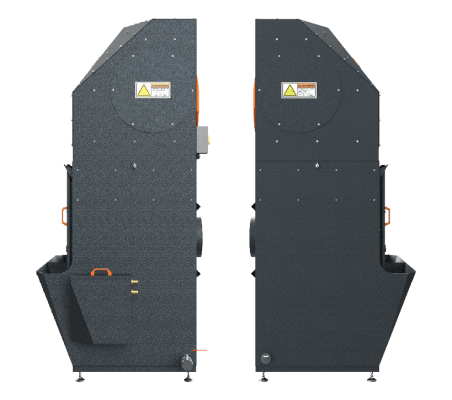
Frequently Asked Questions
What is the difference between a wet collector and a dry dust collector?
A wet collector captures dust in a curtain of water droplets and collects it as sludge in a tank. A dry collector captures dust on filter media. Wet collectors have fewer components and moving parts than typical dry collectors, so they need less maintenance.
Which metals can a wet collector handle?
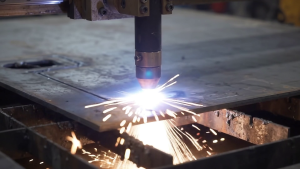
iXtract wet collectors are designed for combustible dust from grinding, fettling, linishing, de-burring, polishing and trimming of metals such as aluminium, magnesium, titanium, zirconium, lithium and tantalum.
Why use a wet collector for combustible dust?
The moisture in the collection process can help prevent combustible dust from igniting. It does not remove the need for a risk assessment, which remains the responsibility of the duty holder.
Can I buy a wet collector without a fan?
Yes. Mild steel and stainless steel units are available without a fan, and the GRP range includes a fan-free model, WC-N-S-GRP, for use with an external fan.
How is a wet collector maintained?
Drain dirty water through the 2" valve, remove sludge with the sludge rake and bin, and use biocide tablets and anti-foam liquid to keep the tank water in good condition. A frost prevention kit protects units in cold locations.
Find Out More, Get in Touch
Need any help or advice on any of our Wet Collector products or just to get a quote then contact our expert team today.
How does a wet collector work?
A wet collector uses centrifugal force to pull contaminated air and water from the tank up through drift eliminators. This creates a high-velocity airflow and a scrubbing curtain made of thousands of water droplets. The curtain wets and captures the finest dust particles, removing them from the air, and the dust settles in the tank as sludge. Drift eliminators stop water droplets and mist from escaping with the cleaned air.